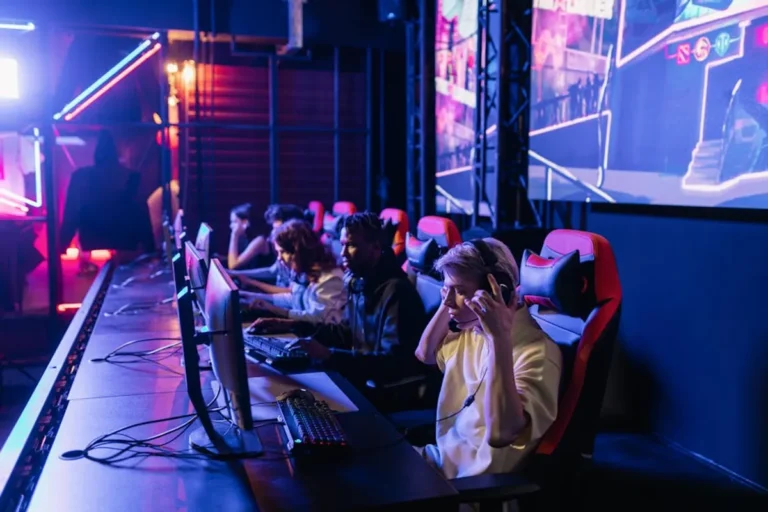
In Marvel Rivals, the role of a support character extends beyond simply healing. These heroes are the backbone of any successful team composition, dictating engagement timing, enabling damage dealers, and controlling the flow of battle through a diverse toolkit of buffs, debuffs, crowd control, and protective abilities. Understanding the relative strengths and weaknesses of each support hero is critical for competitive play, allowing players to make informed choices that directly impact win rates and team synergy. This tier list breaks down the support roster based on their current impact, versatility, and potential within various team strategies, offering a framework for optimizing your hero selection.
Evaluating Support Hero Performance
The placement of each support hero within this tier list is determined by a combination of factors crucial to their effectiveness in Marvel Rivals. These criteria provide a comprehensive lens through which to assess a support's overall value:
- Healing Output and Reliability: The raw amount of health restored, its consistency, and whether it's burst, sustained, single-target, or area-of-effect. Reliability considers ease of application and potential for interruption.
- Utility and Buffs: The ability to enhance allies' performance through damage boosts, movement speed increases, defensive shields, or cooldown reductions.
- Crowd Control (CC) and Debuffs: The capacity to disrupt enemy formations, disable key targets, or reduce their effectiveness through stuns, slows, roots, or damage reductions.
- Survivability: A support's inherent durability, mobility, and self-preservation tools, which allow them to remain active and contribute throughout a match.
- Synergy with Damage Dealers: How well a support's kit complements common offensive heroes, enabling them to maximize their impact and secure eliminations.
- Ease of Use vs. Skill Ceiling: While a high skill ceiling can lead to exceptional plays, a hero that provides consistent value with moderate effort often ranks higher for broader team applicability.
S-Tier Supports: Game-Defining Impact
S-Tier supports are those characters that consistently provide exceptional value across most team compositions and map scenarios. Their kits offer a potent blend of healing, utility, and disruptive capabilities, making them priority picks in competitive play. These heroes often define the meta, enabling aggressive plays or solidifying defensive stands with their presence.
Key Characteristics:
These characters typically feature robust, multi-faceted kits. For example, a hero might offer significant burst healing capable of saving allies from critical damage, combined with a powerful area-of-effect shield that absorbs incoming fire for the entire team. Additionally, they often possess high-impact crowd control, such as a large-radius stun or a displacement ability that can isolate enemy threats or protect vulnerable allies. Their mobility tools, like short-cooldown teleports or rapid dashes, ensure they can quickly reposition to support different flanks or escape danger, maintaining high uptime and influence throughout a match. Their ultimate abilities typically offer game-changing potential, either through massive team-wide healing, invulnerability frames, or significant damage amplification for their allies.
A-Tier Supports: Strong and Versatile Choices
A-Tier supports are highly effective heroes that excel in specific aspects of the support role or offer strong overall utility. While they might not possess the same overwhelming presence as S-Tier characters, they are nonetheless crucial picks that can anchor a team and contribute significantly to victory. Their strengths often make them ideal for particular team strategies or counter-picks.
Key Characteristics:
An A-Tier support might specialize in sustained, consistent healing that keeps a team topped off through prolonged engagements, though perhaps lacking the burst potential to save allies from sudden focus fire. Another might provide exceptional offensive buffs, such as a consistent damage amplification field or a rapid fire rate increase, turning an ordinary damage dealer into a formidable threat. Their crowd control might be more situational or single-target, effective for picking off isolated enemies but less impactful in large team fights. Survivability is generally good, often relying on careful positioning or a single escape ability rather than multiple defensive layers. These heroes integrate well into many compositions, but might require more coordinated play to fully unlock their potential compared to S-Tier options.
B-Tier Supports: Viable with Specific Synergies
B-Tier supports are viable options that can perform well when paired with specific team compositions or in particular situations. They often require a higher degree of player skill, precise timing, or a team built around their unique strengths to truly shine. While not as universally impactful as higher-tier characters, they can still contribute meaningfully.
Key Characteristics:
A B-Tier support might offer strong, but highly conditional, healing that relies on allies staying within a specific radius or on the support landing skill shots. Their utility might be niche, such as a debuff that only affects certain enemy types or a shield that only protects a single ally for a short duration. Crowd control abilities might have long cooldowns or be difficult to land consistently, making their impact less reliable. Survivability can be a concern, often requiring external protection from teammates or demanding flawless positioning to avoid being targeted. These heroes typically require players to master their mechanics and understand their optimal pairings to extract maximum value, making them less forgiving but potentially rewarding in the right hands.
Pro Tip: Never pick a support in isolation. Always consider your team's damage profile and the enemy's composition. A support hero who seems lower on a tier list might be the perfect counter-pick against a specific enemy strategy or an ideal enabler for a unique allied damage dealer. Flexibility and adaptability are key to maximizing your support's impact.
Optimizing Your Support Play
Beyond simply selecting a high-tier hero, effective support play in Marvel Rivals demands strategic awareness and execution. Prioritizing targets, maintaining optimal positioning, and communicating effectively are paramount.
- Target Prioritization: Understand which allies need healing or protection most urgently. Often, this means keeping your primary damage dealers alive, but sometimes it's about saving a tank to hold a choke point or enabling a flanker to secure a crucial elimination.
- Positional Awareness: Supports are often high-priority targets for the enemy. Maintain a safe distance from the front line, utilize cover, and be aware of potential flank routes. Simultaneously, ensure you're close enough to your allies to apply your abilities effectively.
- Ability Management: Track your cooldowns and use your abilities proactively, not just reactively. Pre-healing before anticipated damage, pre-shielding before an enemy ultimate, or using crowd control to initiate or disengage can turn the tide of a fight.
- Communication: Call out enemy positions, highlight targets for your team, and inform allies when your key abilities are ready or on cooldown. Effective communication amplifies your support's impact exponentially.
Frequently Asked Questions
What defines a 'good' support in Marvel Rivals?
A good support hero in Marvel Rivals is defined by their ability to consistently contribute to team success through a combination of reliable healing, impactful utility (buffs/debuffs), disruptive crowd control, and sufficient survivability to remain active in fights. Their value often lies in enabling their teammates rather than securing eliminations directly.
Does this tier list remain constant?
No, tier lists are dynamic. Game updates, balance changes to hero abilities, the introduction of new heroes, and shifts in the competitive meta can all influence a hero's standing. This list reflects current understanding and will evolve as the game develops and strategies mature.
How should I choose a support hero for my team?
Consider your team's composition and the enemy's. If your team has squishy damage dealers, prioritize supports with strong protection or burst healing. Against aggressive enemy compositions, supports with powerful crowd control or defensive ultimates are valuable. Always aim for synergy and counter-play.
Can lower-tier supports still be effective?
Absolutely. A lower-tier support hero, when played by a skilled player who understands their specific niche and has strong team synergy, can be highly effective. Tier lists are guides for general performance, but individual skill and strategic team play can overcome perceived weaknesses.