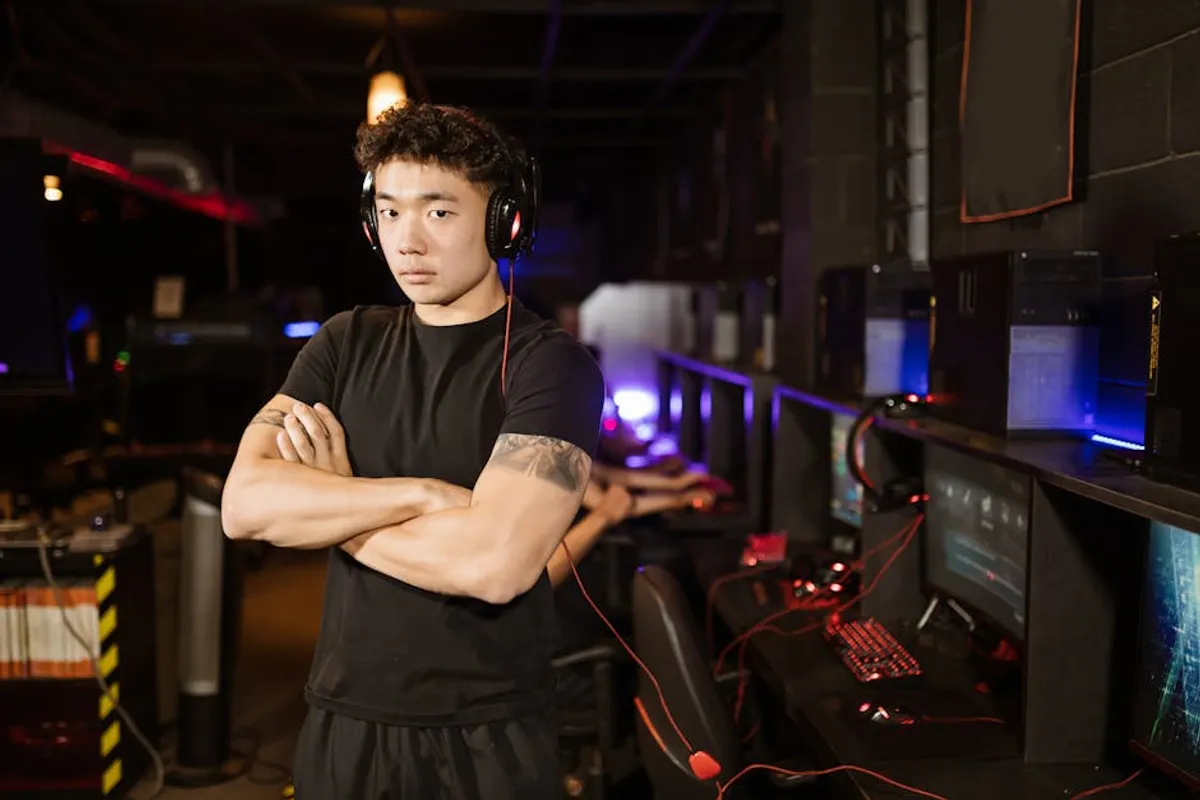
Navigating the esports landscape can feel like stepping into a complex, fast-moving ecosystem. For newcomers, the sheer volume of games, professional teams, diverse league structures, and global match schedules presents a significant barrier to entry. This guide breaks down these core components, providing a foundational understanding necessary to follow the competitive scene, identify key players, and track the events that shape the industry. Understanding these elements is crucial whether you're looking to simply enjoy high-level play, support a favorite team, or even consider deeper engagement with the competitive gaming world.
Understanding Esports Teams
Esports teams are the fundamental units of competitive gaming, much like traditional sports franchises. However, their structure and operational models often vary significantly across different game titles and regions. A typical esports team is part of a larger organization that manages multiple rosters across various games.
Team Structure and Roles
Within a game, each player on a professional team usually has a specialized role. These roles are dictated by the game's mechanics and strategic demands. For instance, in a Multiplayer Online Battle Arena (MOBA) like League of Legends or Dota 2, roles often include a 'carry' (focused on late-game damage output), a 'support' (focused on assisting teammates), and various 'laners' or 'junglers'. In First-Person Shooters (FPS) like Valorant or Counter-Strike, roles might be 'entry fragger' (initiates engagements), 'support' (provides utility), 'sniper', or 'in-game leader' (directs strategy). Understanding these roles helps spectators appreciate individual player contributions and team synergy.
Teams are typically formed through a combination of scouting, player transfers, and community recruitment. Larger esports organizations invest heavily in coaching staff, analysts, sports psychologists, and dedicated training facilities to optimize player performance and team cohesion. Player contracts, transfer fees, and sponsorship deals are standard commercial practices within the professional ecosystem.
Key Organizations and Rosters
Major esports organizations often field teams across several top-tier games. Examples include Team Liquid, TSM, Fnatic, G2 Esports, and Cloud9. These organizations maintain dedicated management structures for each game roster, handling everything from player welfare to content creation. Roster changes are frequent in esports, driven by player performance, strategic shifts, contract expirations, and the dynamic nature of competitive balance patches in games. Keeping track of these changes is essential for fans, as a single player swap can significantly alter a team's competitive outlook.
Best for: Following specific players or understanding team dynamics.
Navigating Esports Leagues and Tournaments
The competitive structure of esports is a blend of traditional sports leagues and open-bracket tournament systems. This dual approach provides both stability for established teams and opportunities for emerging talent.
League Formats Explained
- Franchised Leagues: These leagues feature a fixed number of permanent teams, often requiring a significant buy-in fee to secure a spot. Teams compete in regular seasons, with playoffs determining champions. Examples include the League of Legends Championship Series (LCS) in North America, the League of Legends European Championship (LEC), and the Overwatch League (OWL). This model provides financial stability for organizations and a consistent schedule for fans.
- Open Circuit/Tiered Systems: More common in games like Dota 2 and Counter-Strike, these systems involve a hierarchy of tournaments. Teams earn points or qualify through regional events to advance to larger, often international, 'Major' or 'Championship' tournaments. This structure emphasizes meritocracy, allowing new teams to rise through the ranks based purely on performance.
The choice of league format impacts competitive intensity, financial models for teams, and the narrative flow for fans. Franchised leagues build long-term rivalries and regional identities, while open circuits often deliver more dramatic underdog stories and global showdowns.
Major Tournament Series
Beyond regular season play, major global tournaments represent the pinnacle of competitive esports, often featuring the largest prize pools and highest viewership. These events draw top teams from various regions to compete for ultimate bragging rights. Key examples include:
- The International (Dota 2): Known for its crowdfunded prize pool, often exceeding tens of millions of dollars.
- League of Legends World Championship: The culmination of the global League of Legends competitive season.
- Intel Extreme Masters (IEM): A multi-game tournament series with events held worldwide, historically prominent in Counter-Strike.
- Valorant Champions Tour (VCT): Riot Games' global circuit for Valorant, culminating in the Champions event.
These tournaments are not just competitions; they are major productions, often held in large arenas with elaborate stage setups and extensive broadcast coverage.
Regional vs. International Play
Most esports begin with regional leagues or qualifiers, such as the LCK (Korea) or LPL (China) for League of Legends. Success in these regional competitions typically grants teams berths in international events. This tiered structure allows for the development of distinct regional playstyles and rivalries while also providing a clear pathway to global contention.
Finding and Tracking Match Schedules
With multiple games, leagues, and tournaments running concurrently, tracking match schedules requires reliable sources. Relying on a few key platforms simplifies the process.
Dedicated Esports News and Schedule Sites
Specialized websites serve as central hubs for esports information, including schedules, results, team rosters, and news. These platforms aggregate data from various sources, making it easier to follow multiple titles or teams. Examples of such sites include Liquipedia (a community-driven wiki network covering many games), HLTV.org (specifically for Counter-Strike), and official game esports sites (e.g., lolesports.com for League of Legends).
In-Game Clients and Official Channels
Many popular esports titles integrate schedules and live stream links directly into their game clients. This provides a convenient way for players to stay updated on upcoming matches for the game they are actively playing. Additionally, official social media accounts for game developers, leagues, and individual teams are excellent sources for real-time updates, schedule changes, and broadcast links.
Time Zones and Broadcasts
Esports events are global, meaning match times will vary significantly depending on your location. Most schedule sites offer time zone conversion features to display times in your local clock. Live matches are primarily broadcast on streaming platforms like Twitch and YouTube Gaming, often with multiple language options and co-streams by popular personalities. VODs (Video On Demand) are typically available shortly after live broadcasts for those who miss the action.
Pro Tip: For consistent tracking across multiple titles, centralize your schedule sources. Relying solely on in-game notifications can lead to missed matches, especially during concurrent tournaments or off-season events. Utilize dedicated esports schedule aggregators and set calendar reminders for high-priority matches.
Engaging with the Esports Ecosystem
Understanding the structure of teams, the formats of leagues, and how to find match schedules forms the bedrock of engaging with esports. This foundational knowledge allows you to move beyond casual viewing to genuinely appreciate strategic plays, follow team narratives, and connect with the broader community.
The esports landscape is dynamic; games evolve, new talent emerges, and competitive formats adapt. Staying informed through the channels mentioned will enhance your experience, whether you're a casual fan or aspiring to a deeper involvement. Active participation in fan communities, discussions, and prediction markets further enriches the experience, transforming passive viewing into an interactive hobby.
Frequently Asked Questions
What is the difference between a league and a tournament?
A league typically involves a regular season where teams play each other multiple times over an extended period, often leading to playoffs. A tournament, conversely, is a shorter, often single-elimination or group-stage event, where teams compete over a few days or weeks to determine a champion.
How do esports teams make money?
Esports teams primarily generate revenue through sponsorships, prize money from tournaments, merchandise sales, and media rights (e.g., streaming deals). Some franchised leagues also provide revenue sharing from league-wide deals.
Where can I watch live esports matches?
The primary platforms for live esports broadcasts are Twitch and YouTube Gaming. Many game developers also host official streams on their own websites or dedicated esports portals.
How can I stay updated on roster changes?
Follow dedicated esports news websites, specific team and league social media accounts, and community-driven wikis like Liquipedia. These sources frequently report on player transfers, retirements, and new signings.